Growing food. Restoring dignity. Teaching resilience.
Nyathuongweno Community Permaculture Organic Farming Project helps address poverty, food insecurity, unemployment, and climate pressure through hands-on sustainable agriculture.
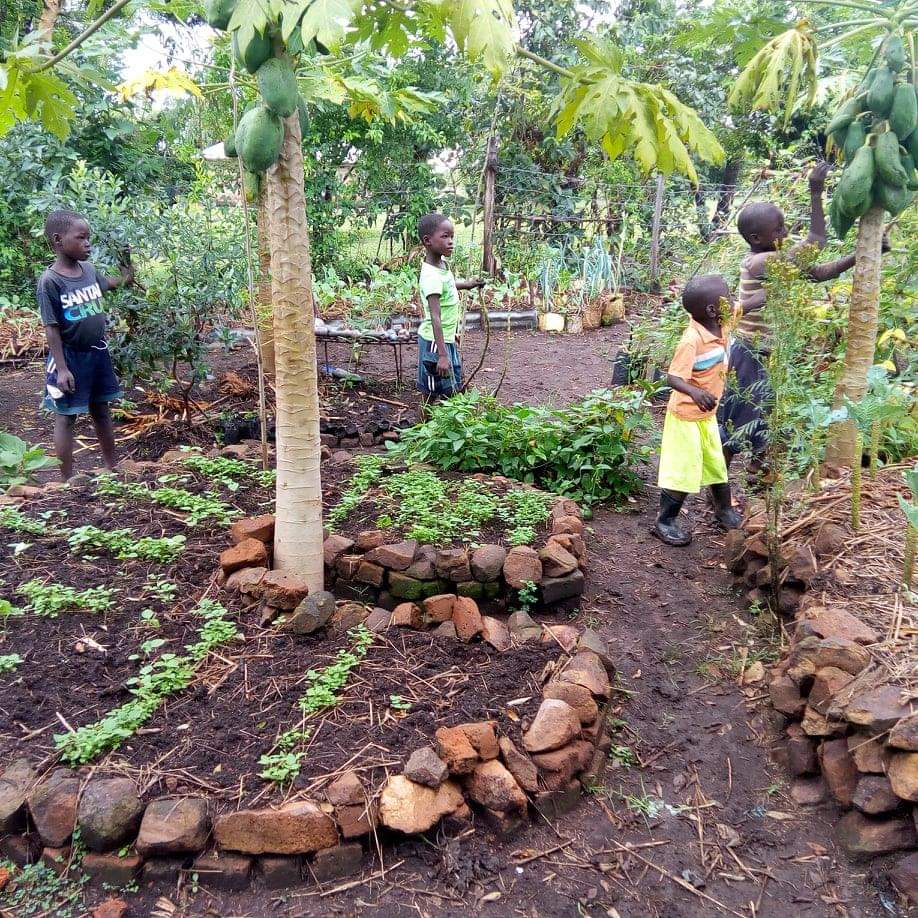
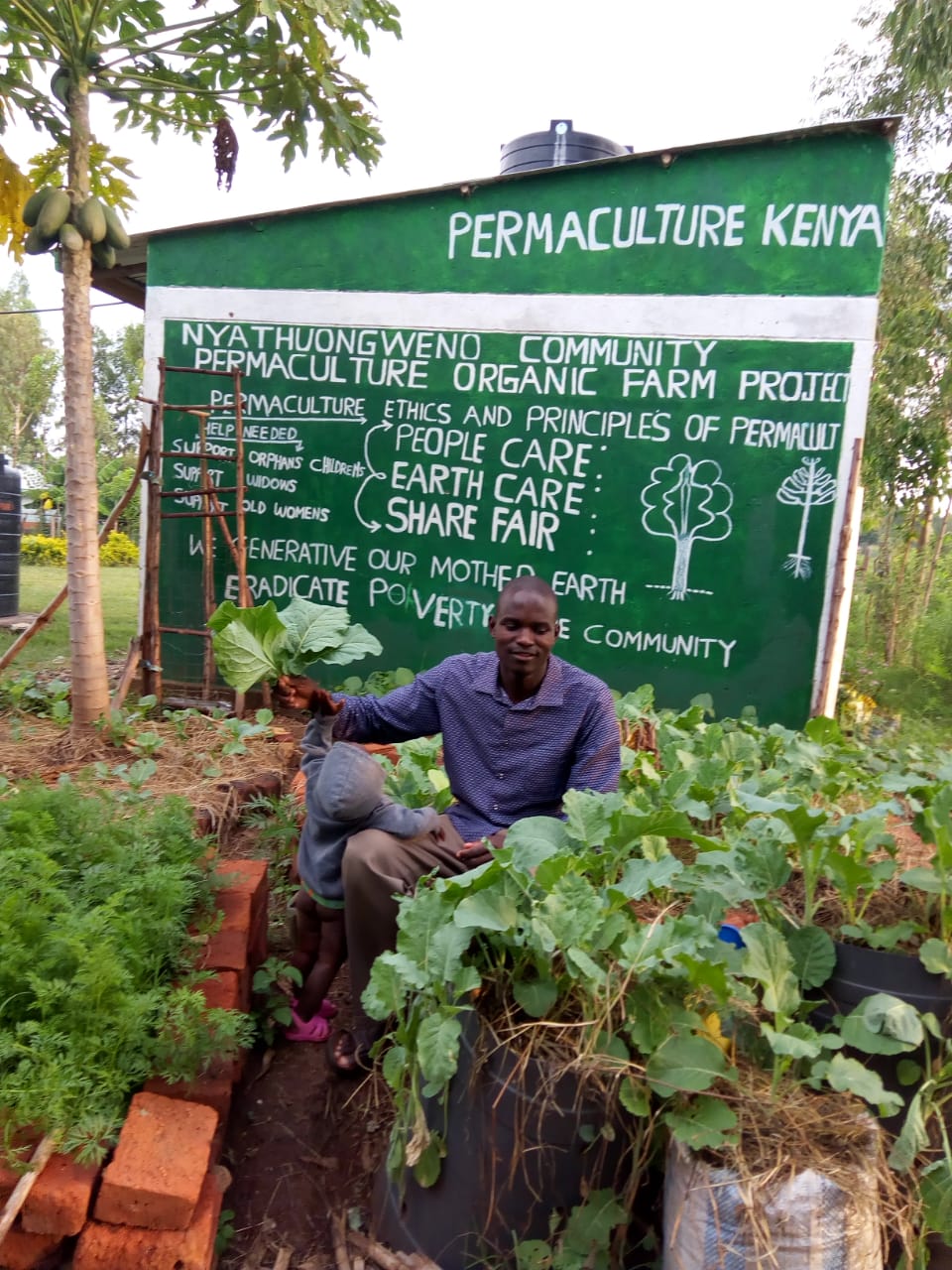
Practical permaculture for real community needs.
The project provides a shared space where families, youth, widows, orphans, and vulnerable community members can learn, grow, and build local food security together.
Food Security
Growing and sharing food locally so fewer families miss meals during difficult seasons.
Climate Resilience
Teaching sustainable farming methods that help communities adapt to drought and changing weather.
Youth Opportunity
Creating hands-on agriculture programs that give young people useful skills and a productive path.
Community Care
Supporting widows, orphans, widowers, and vulnerable neighbors through shared work and resources.
From one garden to a community model.
Joseph saw his community struggling with food access and began searching for a local solution. After completing permaculture training in Uganda, he returned to Nyathuongweno village to teach design techniques and organize practical agricultural work.
The group now works with neighboring villages, shares seeds and ideas, and teaches sustainable agriculture as a pathway toward self-reliance.
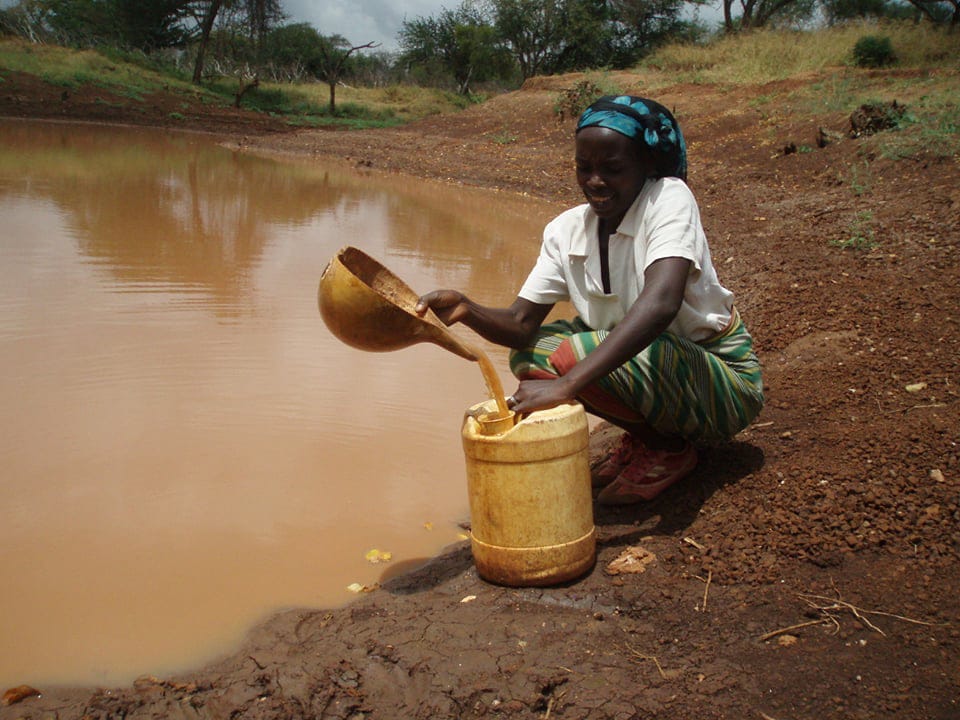
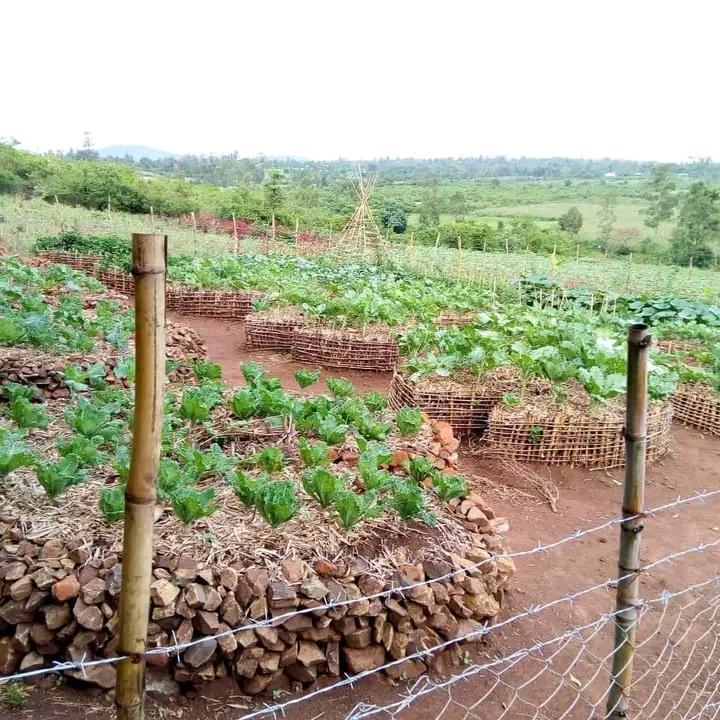
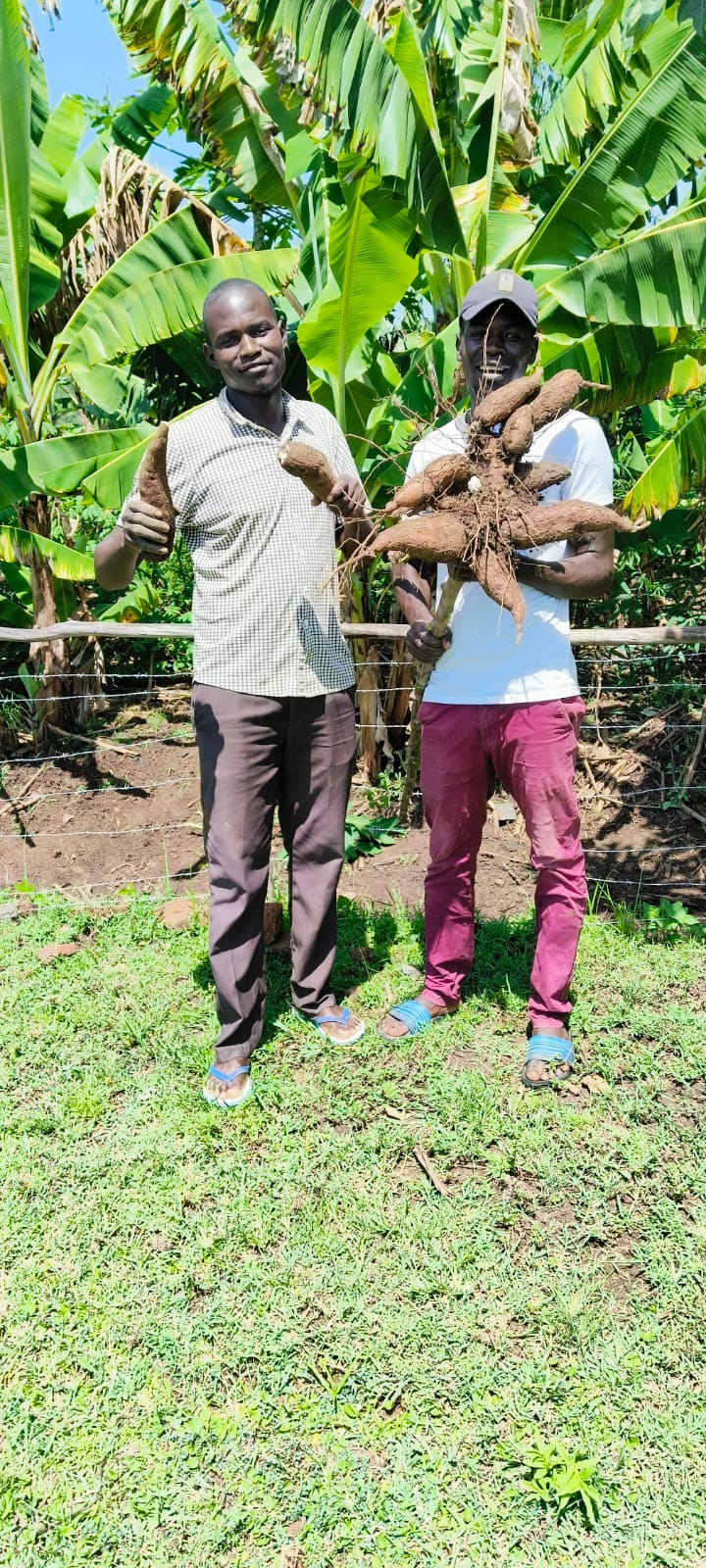
Food systems, skills, and local resilience.
The work is not decorative. It is direct: train people, grow food, protect water, support vulnerable families, and create practical community income paths.
Training & Workshops
Permaculture education, organic farming skills, and practical demonstrations for local participants.
Organic Production
Horticulture, poultry, livestock, aquaculture, and apiculture as working community systems.
Water Solutions
Water harvesting, water tanks, and future drilling support to reduce drought pressure.
Seed Sharing
Buying, sharing, and exchanging seeds with nearby villages to widen local food production.
Vulnerable Families
Food, clothing, school-fee support, and community care for orphans, widows, and widowers.
Community Enterprise
A planned footwear shop would support daily needs and direct a share of income toward children’s school fees.
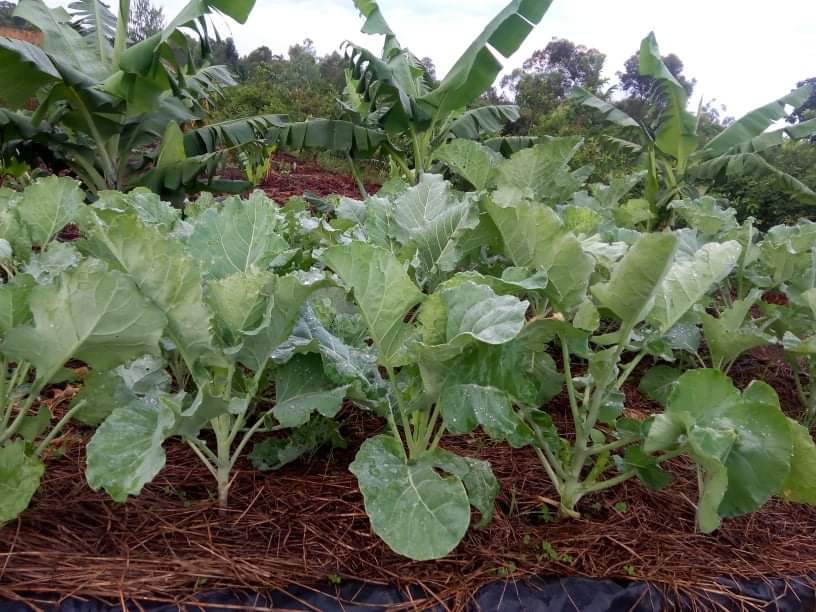
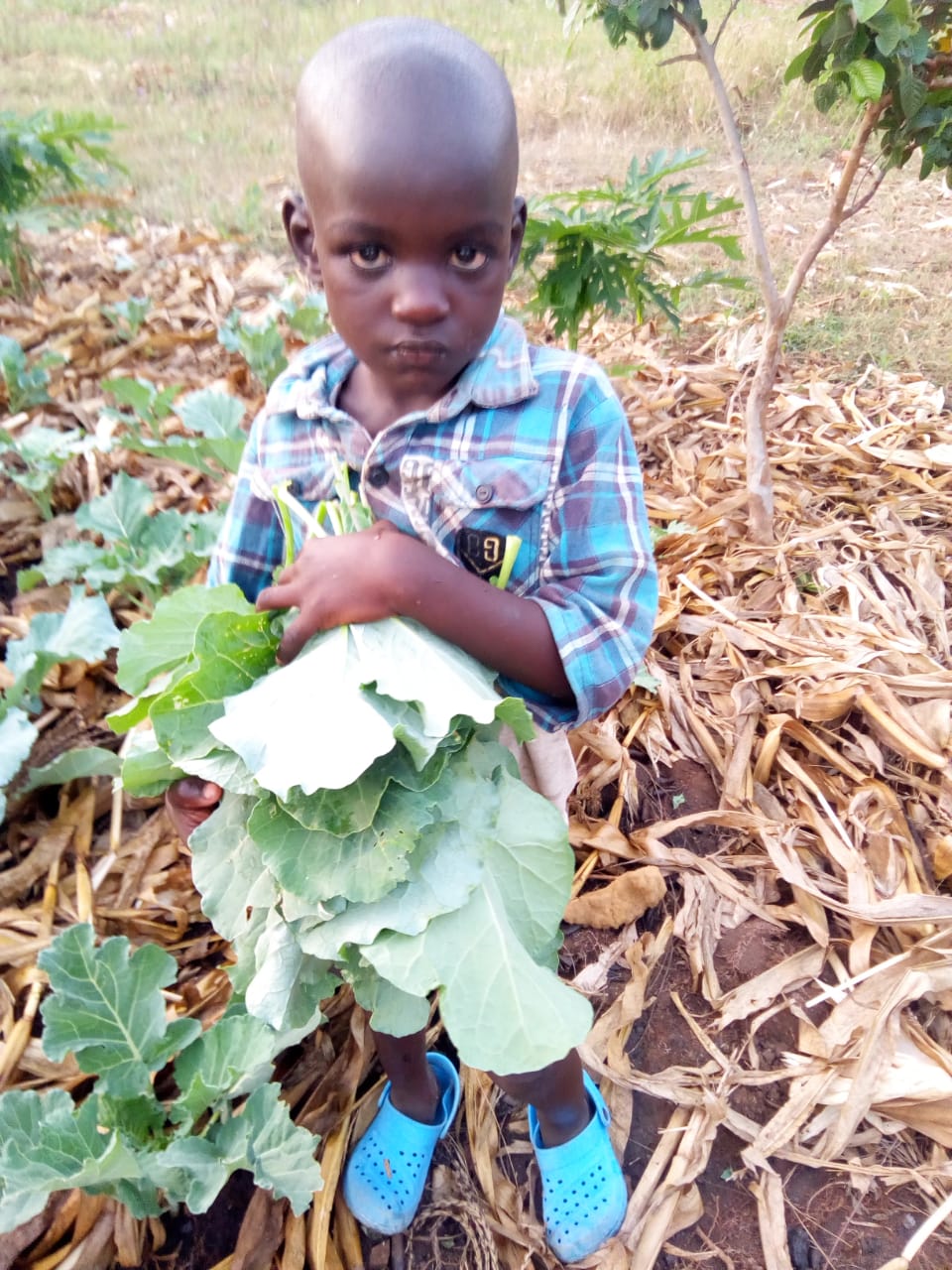
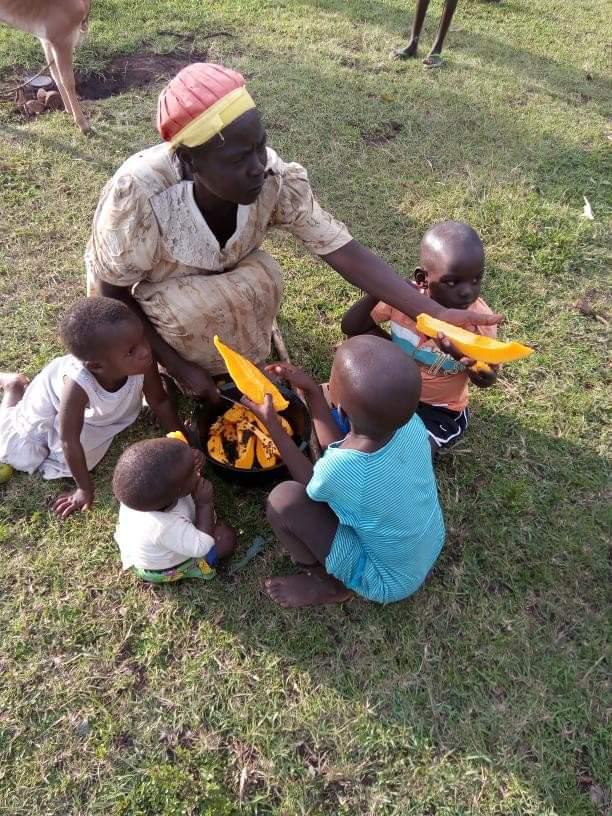
Real people. Real soil. Real work.
The visual direction should feel human and grounded: warm earth tones, strong photography, clean typography, and no clutter.
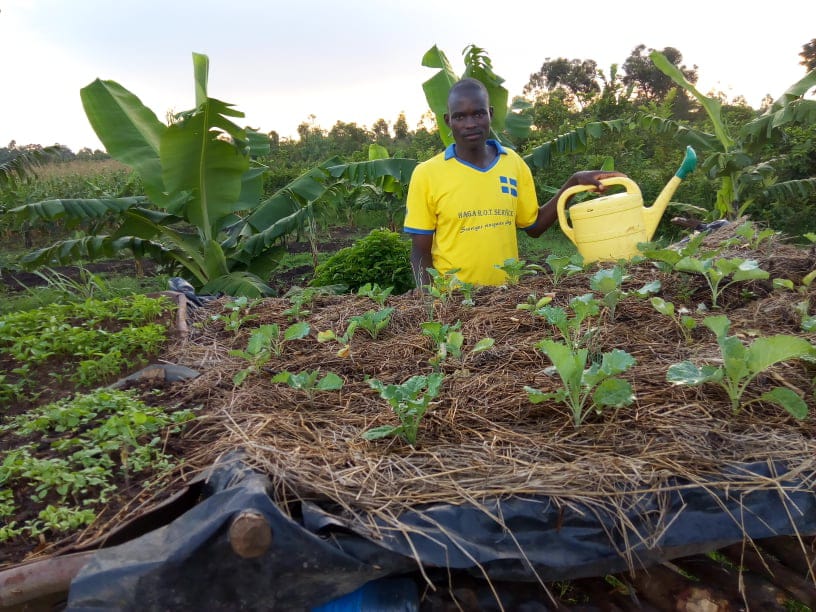
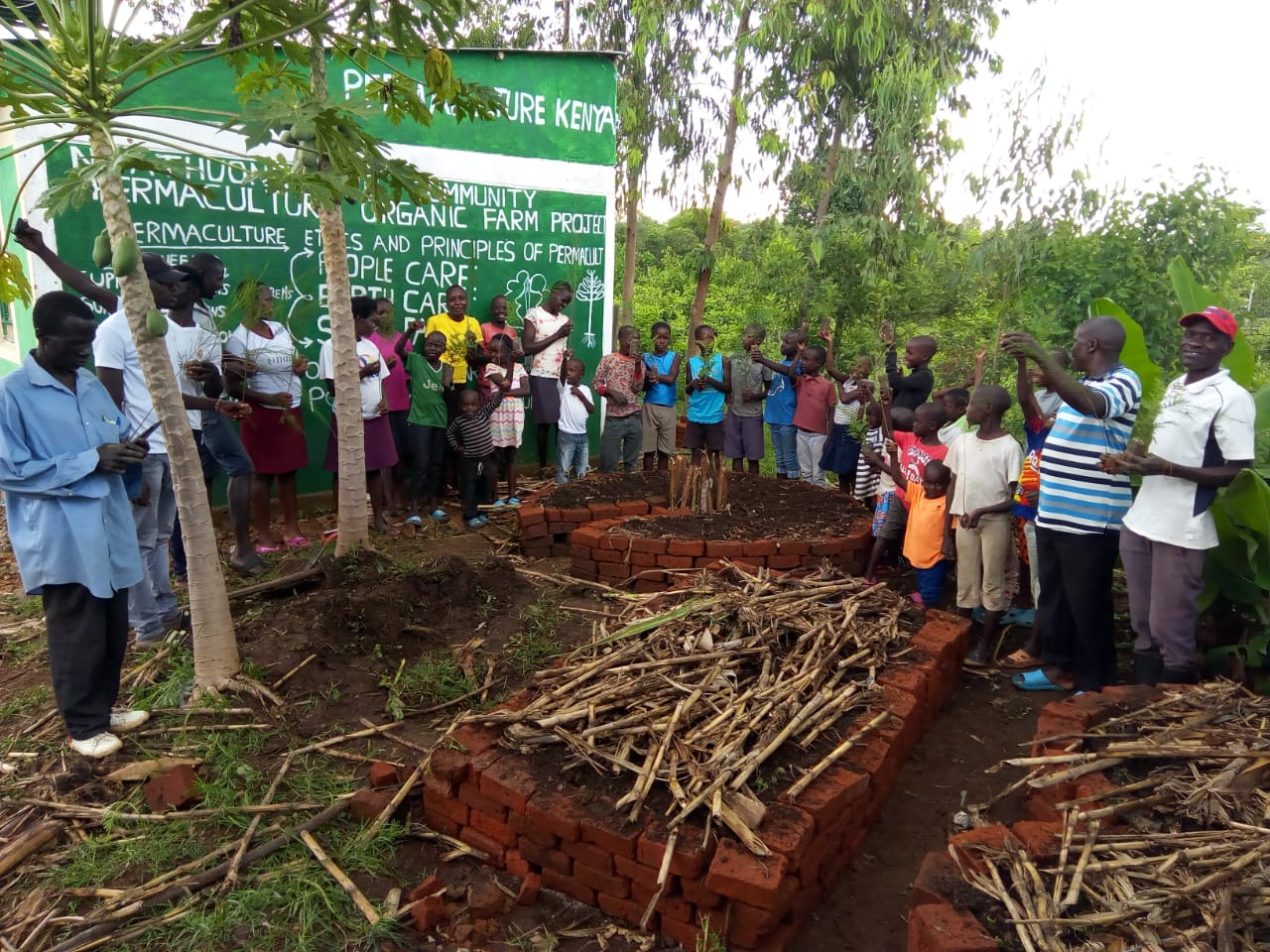
A phased plan donors can understand fast.
The old page buries the budget. This layout turns it into clear phases with simple outcomes, timelines, and costs.
Training & Workshops
Two-month induction and training program for community participants.
$3,000 USDFarm Production
Six months of permaculture, horticulture, apiculture, poultry, and livestock work.
$3,500 USDWater Solutions
Water harvesting, tanks, and drilling support to reduce drought risk.
$8,000 USDFootwear Shop
Community shop concept to support basic needs and help fund school fees.
$1,000 USD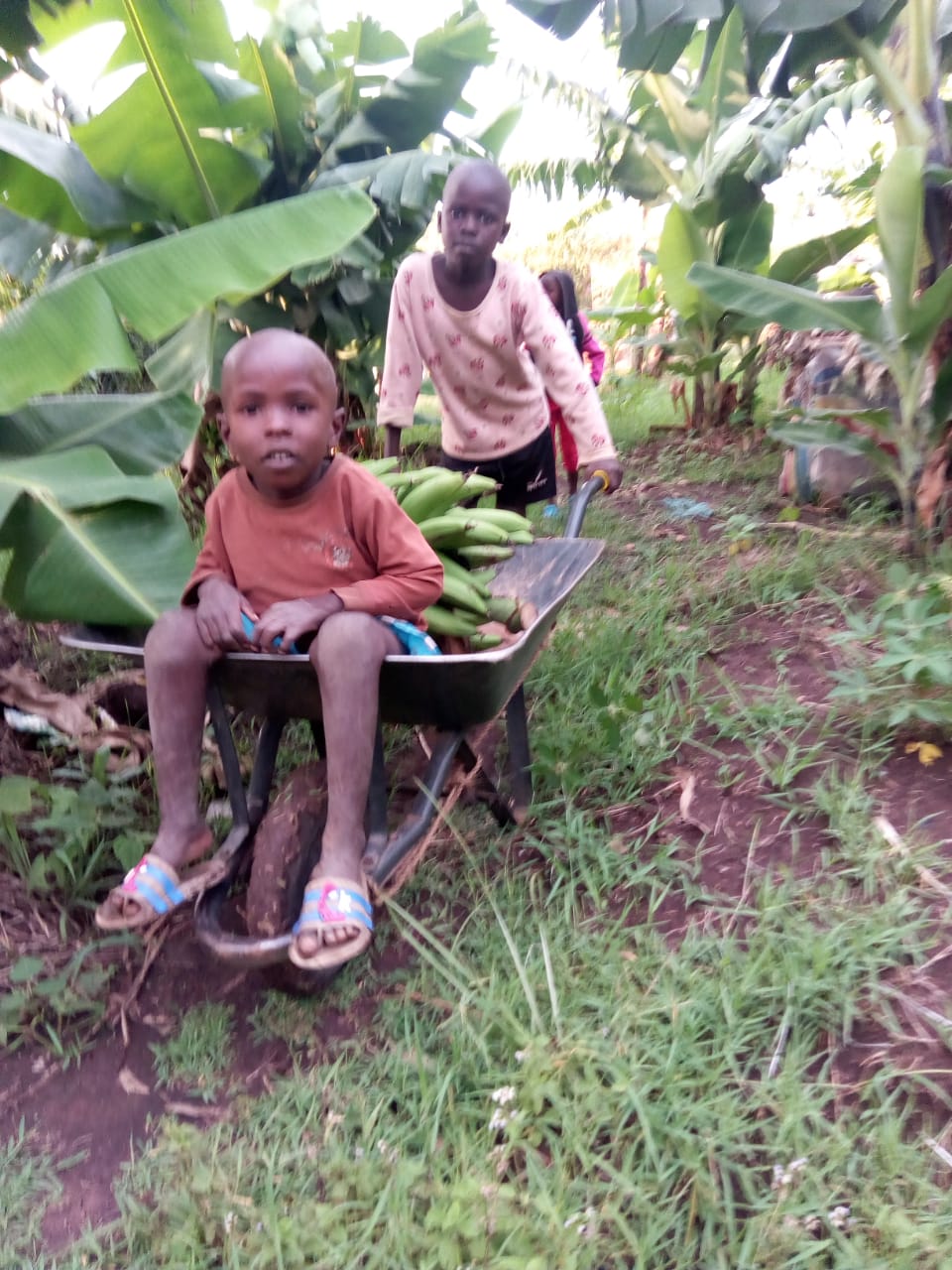
Help grow a stronger local food system in Homa-Bay.
Donations and partnerships help fund training, water access, farm production, and support for vulnerable community members.